
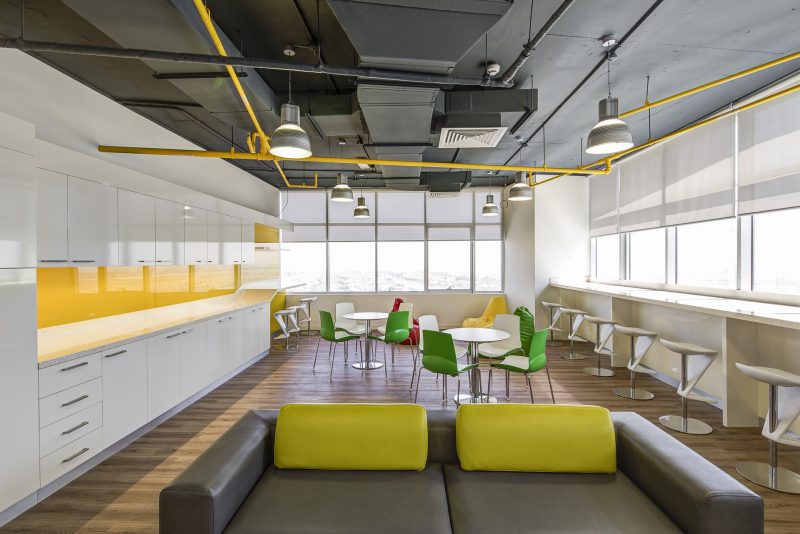
Managing cooking is a key consideration when building out your van, and is an ongoing chore! I talk about ways to cook in the van generally here. Today, I’m talking about cooking in a different way, really embracing the “alternate living” aspect of stealth vanlife. I would say it embodies the stealth aspect, but you may find this more or less true – I’ll let you decide for yourself!
One of my build choices was not to have an established kitchen. While I have a benchtop and a sink, emptying grey water has been a chore as a stealth camper especially, which means that I do not love doing a whole lot of washing up. Washing up in the standard way also uses a lot of water, and I do often ascribe to the dishwash spray and wipe method that a lot of campers adhere to in vanlife. That being said, there are pans that need a proper scrub, and managing this in the van started to put me off cooking, knowing that this was on the other side. As a stealth camper with an ongoing face-to-face job, and studying part time at a local uni, I spend a lot of my days either at my workplace, or at uni making use of their power, wifi and study spaces. I talk about the other ways to maximise the benefits of access to a university or workplace here elsewhere. Part of this obviously means making use of their kitchens too!
Particularly at uni, a lot of students come in to study for the day and bring snacks and supplies with them, so I don’t stand out walking in with my study supplies and a green bag of groceries. It’s a bit like backpacking in a hostel – things can be kept in the fridge for a while with your name and there is advance warning as to when they’ll do a clean of the fridge – for me, it’s monthly. Without power to my build initially, this was great for me, particularly to have access to the freezer for longer term storage, and especially since I was there quite frequently for study. There were also cupboards where things could be stored and there didn’t seem much inclination to have things stolen, even though these were not locked. Often things would even be left on the counter, marked as free – items perhaps tried and not liked, or just excess. I usually tended to keep most of my supplies such as tea bags with me anyway, as it wasn’t much more effort to lug it along with me to the next floor, but it was handy on a few occasions.
Staffroom kitchens and uni kitchens are not equipped for cooking, but there’s a lot you can do with a basic couple of appliances and a sink, nonetheless. There are some great tips I’ve used from websites for students cooking in dorms in the US, where uni students seem much less likely to have access to a full kitchen. I’ve made shameless use of their tips for cooking in flat sandwich toasters or making the most of microwaving as a means of cooking. This isn’t about 80’s style microwave cooking [insert 80s or 90s microwave cookbook cover], but you can make a range of quick and easy meals through items available in office kitchens.
Why not just get by on sandwiches or wraps? For a long time, I ate paleo, which meant no bread, or other grain-based foods. While I no longer believe that there is sufficient evidence for eating this way, and am slowly learning to re-love bread and pasta, it is still not my first instinct to reach for, although I do eat a lot more rice these days. Why not salads? I will definitely do salads some days, but I have also always preferred hot meals, and often working in the evenings means that I particularly want a hot meal for dinner, especially in the colder months.
I have tried these methods of cooking both at work and uni. Cooking in sandwich toasters can get quite smoky, and can attract some askance looks, but I certainly feel this is much more acceptable in a uni kitchen where people are generally more laidback, compared to staff spaces at work. Working at a large hospital is helpful, as instead of one staff room, there are many staff kitchen spaces on all levels, some of which are particularly quiet on afternoon shifts for the stealth camper(/cooker). Bear in mind that if this is your plan, some of these meals can take up most of a 30-minute lunch or dinner break, so plan for that!
The other thing to be mindful of is cleaning up – if a mess is left, often the way organisations respond is to take away appliances. Besides, it’s part of using a shared space – particularly a kitchen. When using the sandwich press in particular, some things can make it very greasy, so hot water and a paper towel wipe doesn’t really do the trick. Again, using dishwashing liquid (whether in a spray bottle premixed or diluting with water at the site) seems to be the best way to go. I was always sure to be really thorough in rinsing and wiping it clean afterwards for anyone who might be using it for sandwich making afterwards – I imagine that bread would absorb any remnants all too well.
Here are some of the things I have tried cooking in a typical work kitchen.
Chorizo or halloumi with pasta sauce and broccoli:
One of my favourite go-tos has been frying sliced chorizo or halloumi in a sandwich press – delicious – and steaming broccoli in the microwave and a heated jar of pasta sauce for a delicious meal. You can buy an individual chorizo from the deli section at the grocery store which is perfect for one or two meals. You could easily substitute any other veggies, and I have put strips of capsicum in the sandwich press for that chargrilled vibe. As for pasta itself, I have tried microwaving it but despite following others’ recommendations, ended up with a horrible gluggy mess, so while there may be a better way to manage this, I would not recommend it.
Microwaveable rice:

I used to much prefer cooking things from scratch, but keeping stashes of food on hand that are quick-cook makes it so much easier to live in the van. Microwaveable pouches of rice that are portioned for two meals are a life saver, and work really well to bulk out a meal such as the one above where pasta cannot be made. Being flexible about which components are required for each meal has also been really helpful – pasta sauce and accompaniments go really well with rice, particularly when pasta is harder to cook. Couscous is another great substitute for pasta in some dishes too as it essentially only requires the addition of boiling water. Even mixing microwaved broccoli and a tin of tuna with the rice (which will quickly heat up once mixed) and adding some chilli flakes and salt, will give you a very quick and relatively nutritious meal. Other options with rice are microwaveable curry pouches – there are some good vegan ones available at Woolies.
Dumplings/frozen food:
Dumplings are another go-to treat for me, and this method of cooking frozen dumplings in the microwave and finishing them by frying them, adapted for a sandwich press fry works surprisingly well. This method of microwaving something and using the sandwich press to crisp them up works for a range of other foods too – particularly anything frozen like nuggets or pies. There are even multiple guides online to cooking a steak on a sandwich press and one Sunday in an empty hospital administration building I did try this with excellent results! This takes a bit longer and definitely does get smoky so not something to do if others will be around for the same time period, but in a more open space where people are fewer or more transient could be an option, especially if you can sneak it out of the sandwich press and away to eat it without attracting attention.

Meatballs:
This one is a bit more of a commitment – it takes a bit longer than the other options and is definitely a little more noticeable, but it also works really well and still cooks up relatively quickly. I often buy a packet of pre-made meatballs from Aldi, and cook the whole batch up on the press to then have for lunch and dinner across a study day. The benefit of the sandwich press is that you can flatten them like patties and they will cook on both sides at once! The smell is probably the most obvious part, along with a bit of smokiness, but I don’t find this too noticeable – and particularly when there are lots of scents in amongst everything else being heated up at lunch time, it’s very doable amongst the uni crowd. You can then have these with rice or use as the protein portion of a salad.
Veggies:
The individually portioned, steam bags of frozen veggies that you can buy at Aldi, Woolworths, and Coles are well worth keeping on hand if you have access to a freezer and a microwave. You can add them to any meal to amp up your veggie intake and particularly with chilli flakes and a dob of butter to melt and mix in, they are delicious. I also started buying tiny (size) tins of peas and corn that can be added to fried rice or stir fries, whether cooked in the van or in an office kitchen. These don’t necessarily need to be cooked but can be easily microwaved along with the other components of your meal.
Eggs:
No matter what any site tells you, one thing you should know is that scrambling eggs in the microwave is a bad idea. It… works… and tastes fine, but in my opinion smells even worse than microwaving fish. Do not do it if you want to retain any sort of goodwill! The smell gets everywhere. I have learnt my lesson and am sticking with my instant oats for breakfast instead.
I have also tried frying eggs in a sandwich press with the lid up, thinking I was really onto something great. Perhaps the lesson here is to avoid cooking eggs in public spaces… While it certainly is not as repulsively odourous as microwaved scram led eggs, it is not easy to clean that shit off the sandwich press, and since most models these days are flat, there is also no lip to contain the egg… it just ends up leaking out and causing chaos – not a great look for someone trying to be “stealthy.”
Porridge:
Speaking of oats for breakfast, while it is really easy to cook these up in a pot in the van or make overnight eats, I’m often too disorganised to have breakfast before my 7AM starts at work. Breakfast is more likely to be a morning tea affair at about 9:30. Sometimes it’s too busy to do more than add boiling water from the dispenser to my mug of instant oats and eat them a few minutes later, which works, but it really does make a difference in terms of how good they taste to microwave them, whether with water or milk – much creamier. I know, following the instructions on the packet? Crazy. Nonetheless, I still think cooking them over the stove is best, but the microwave is a definite step above my low effort version. In a pinch, however, it gets the job done.
Cleaning up:
Some days, I still cook in the van, but coming in to uni to study in the evening or when working a late or night shift, I sneak my dishes in from the van in a waterproof bag and will take the chance on my way out when no one else is around to wash them in a sink with easy access to hot water and drainage. This is the type of bag I use most often, as it fits one or two dishes well within my other bags. I have also trialled a waterproof picnic bag, like this one, but feel that this stands out too much. This also makes it easier to manage cooking in the van, knowing that clean up is not going to be so difficult.
These are some of the things I’ve tried in these large shared spaces – while it feels a bit odd at first, if you have access to a space like this, it’s a great way to incorporate some easy cooked options. I’ll add to the list if I think of any others! Happy stealth cooking!